
Livestream Management
Livestream management refers to the end-to-end coordination of a live broadcast. Because “going live” happens in real-time without the safety net of editing, it requires a unique mix of technical skills, creative direction, and crisis management.
1. Types of livestream setups
Provided By Live Blitz
Digital Set-Up (Virtual / Software-Based Setup)
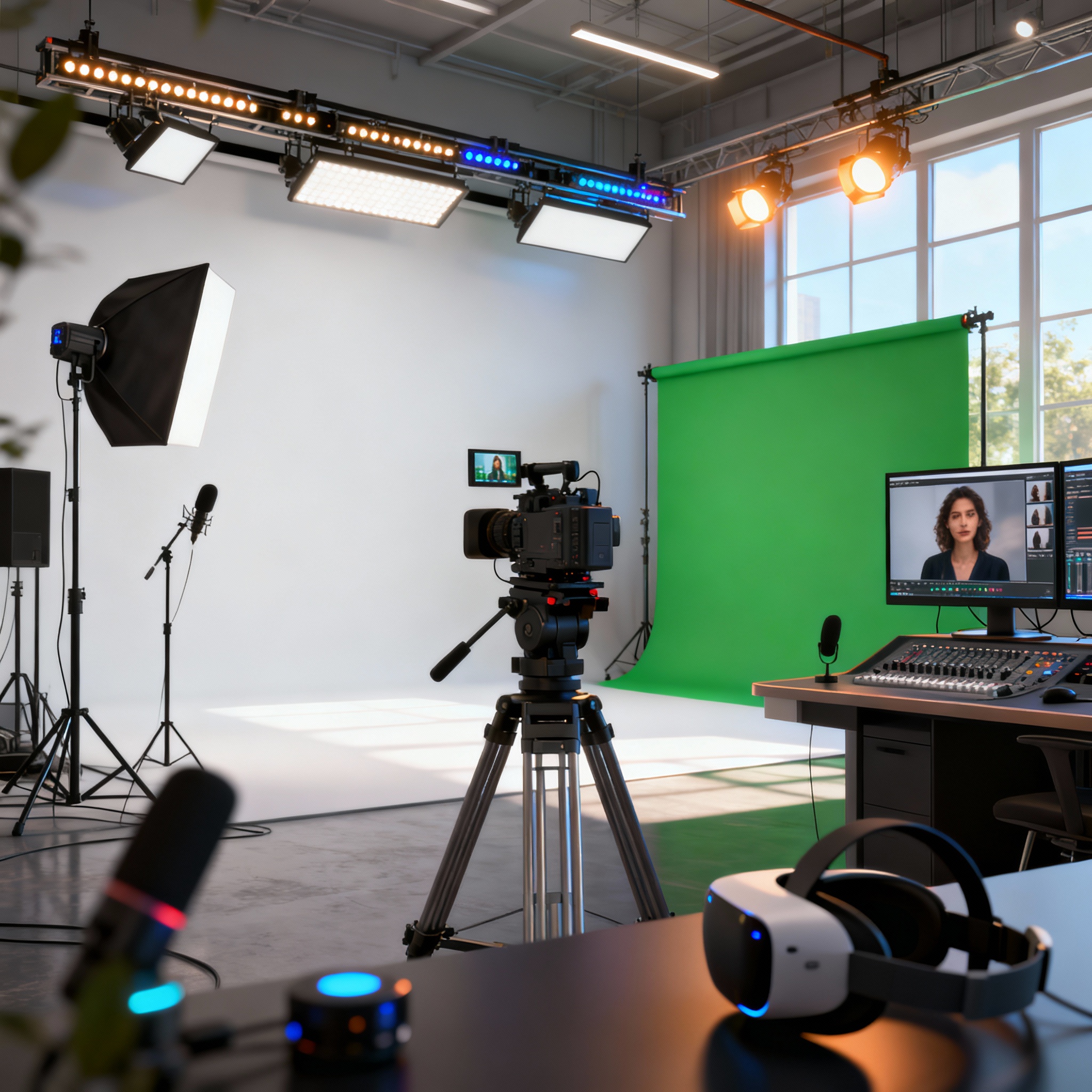
A digital livestream setup refers to a production that is built primarily inside software or a fully virtual environment with minimal physical gear. The stream relies on:
- Digital scenes
- Virtual backgrounds
- Screen sharing
- Animated assets
- Pre-recorded or virtual presenters
- AI-generated visuals or remote contributors
It’s essentially “production done on the computer,” not in a studio.
Physical Set-Up (Studio or On-Site Setup)

A physical livestream setup is a traditional studio or real-world environment where everything is captured with real equipment cameras, lights, microphones, sets, props, and people.
It involves physical space and actual studio design, not just digital elements.
- Props/Decoration
- Racks/Cabinet
Full Green Screen Set-Up (Virtual-Physical Hybrid Studio)
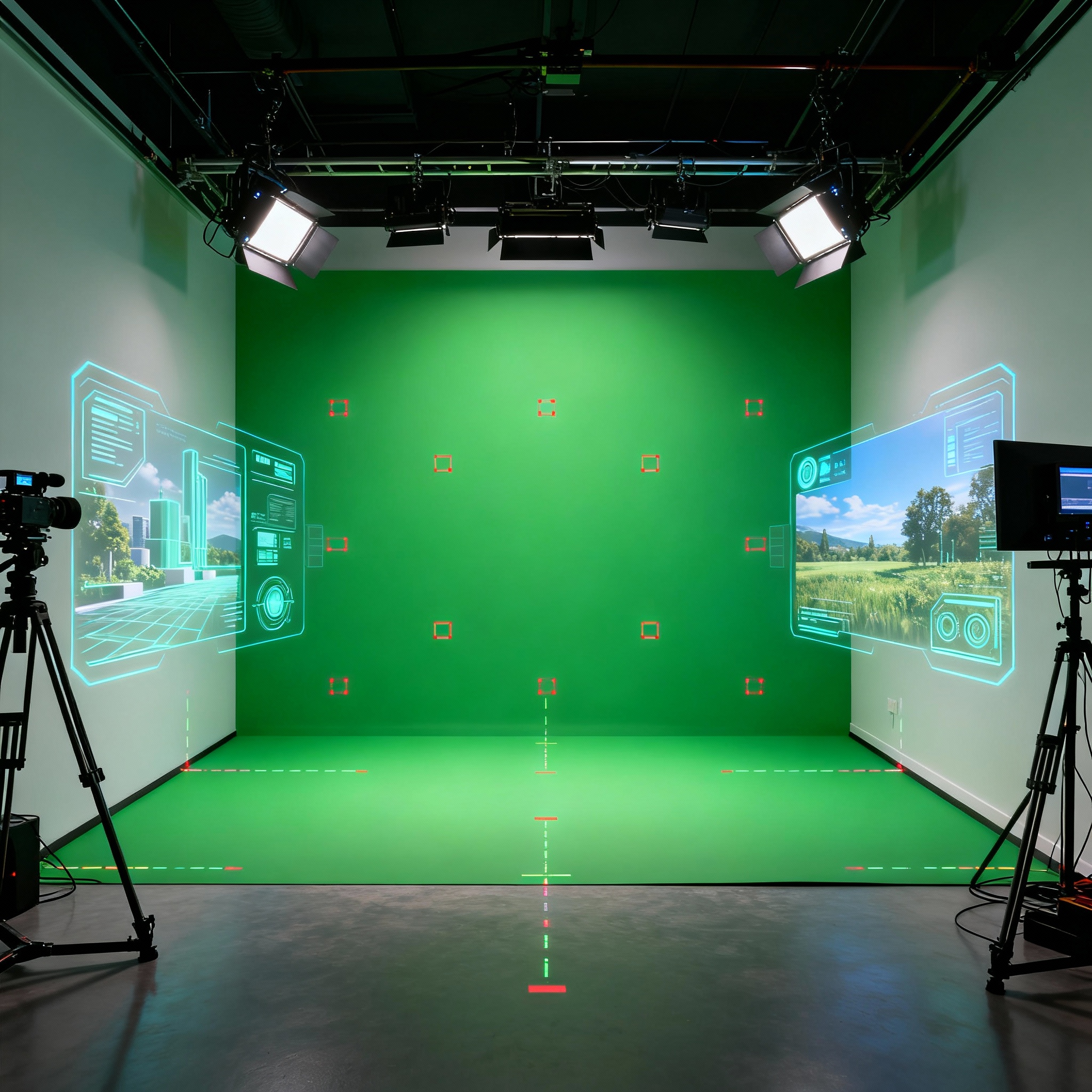
A full green screen livestream setup is where presenters are filmed in front of a chroma key (green or blue) backdrop, and the background is replaced digitally in realtime.
This allows you to create:
- Virtual 3D sets
- XR-style environments
- Dynamic product showcases
- Animated or branded virtual studios
It’s a blend of real (host, props) and digital (background, effects).
2. Monthly Livestream Calendar
Provided By Live Blitz

A dedicated livestream calendar is not just a helpful tool – it is a foundational element for successful and professional livestream management. It acts as the central blueprint that ensures consistency, maximizes audience engagement, and streamlines production efforts.
- Audience Expectation and Trust
- Production Organization and Quality Control
- Monetization and Sponsorship Opportunities
- Data Analysis and Strategy Refinement
A livestream calendar transforms your streaming operations from a series of individual events into a cohesive, scalable, and professional media operation. It is the single source of truth for your audience, your production team, and your potential business partners.
3. Livestream Sessions Timing
Provided By Live Blitz
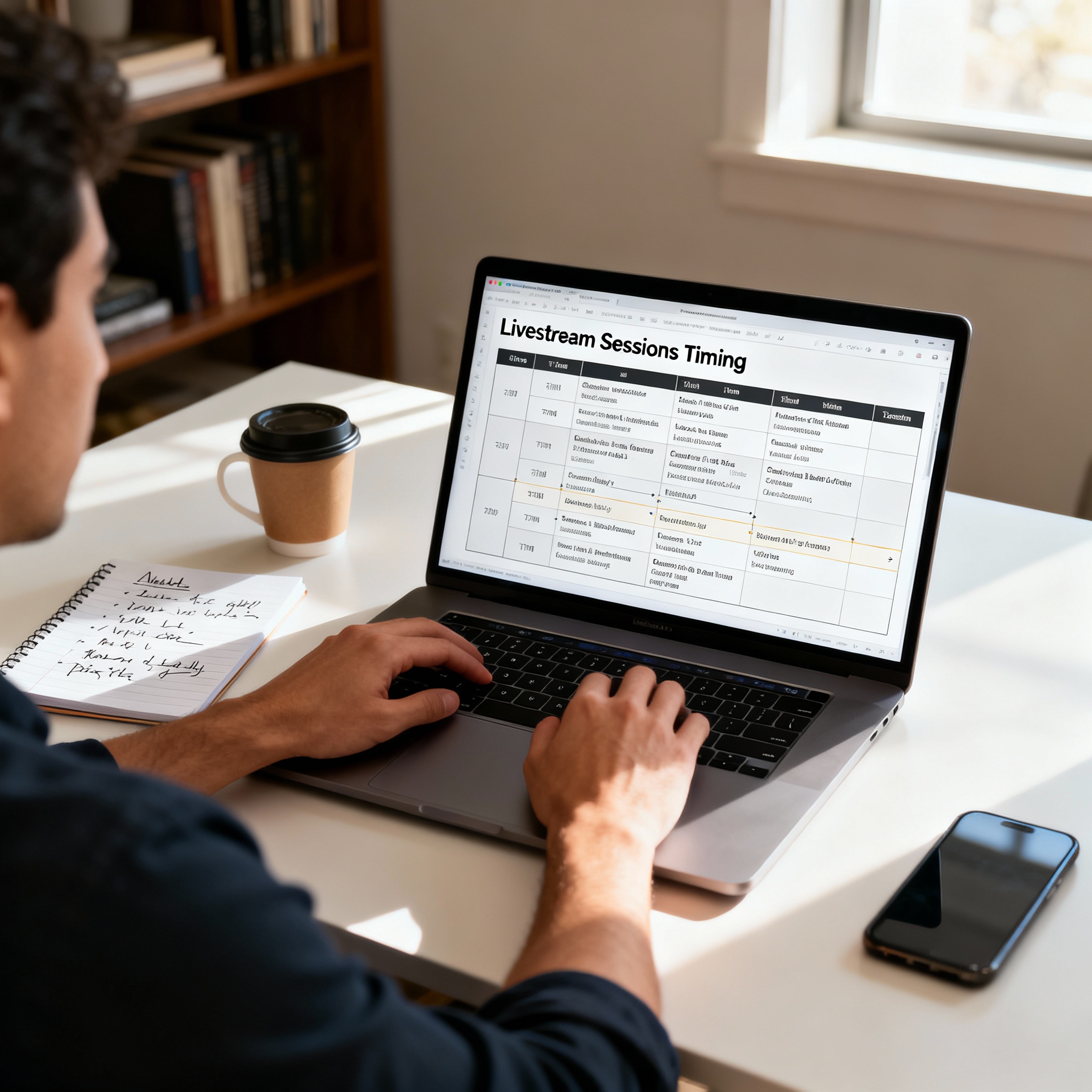
Livestream session timing is perhaps the single most critical factor in maximizing reach and engagement. Choosing the optimal time is not a guessing game; it’s a strategic management decision based on audience behavior that directly impacts viewership, interaction, and monetization.
- Maximizing Audience Availability and Reach
- Driving Peak Engagement and Interactivity
- Consistency and Building Audience Habits
- Competitive Advantage and Data Analysis
Ultimately, successful livestream management treats timing as a strategic resource. By aligning the broadcast window with audience habits and platform data, you transition from simply “going live” to delivering a professional, high-impact broadcast.
4. Livestream Training
Provided By Live Blitz
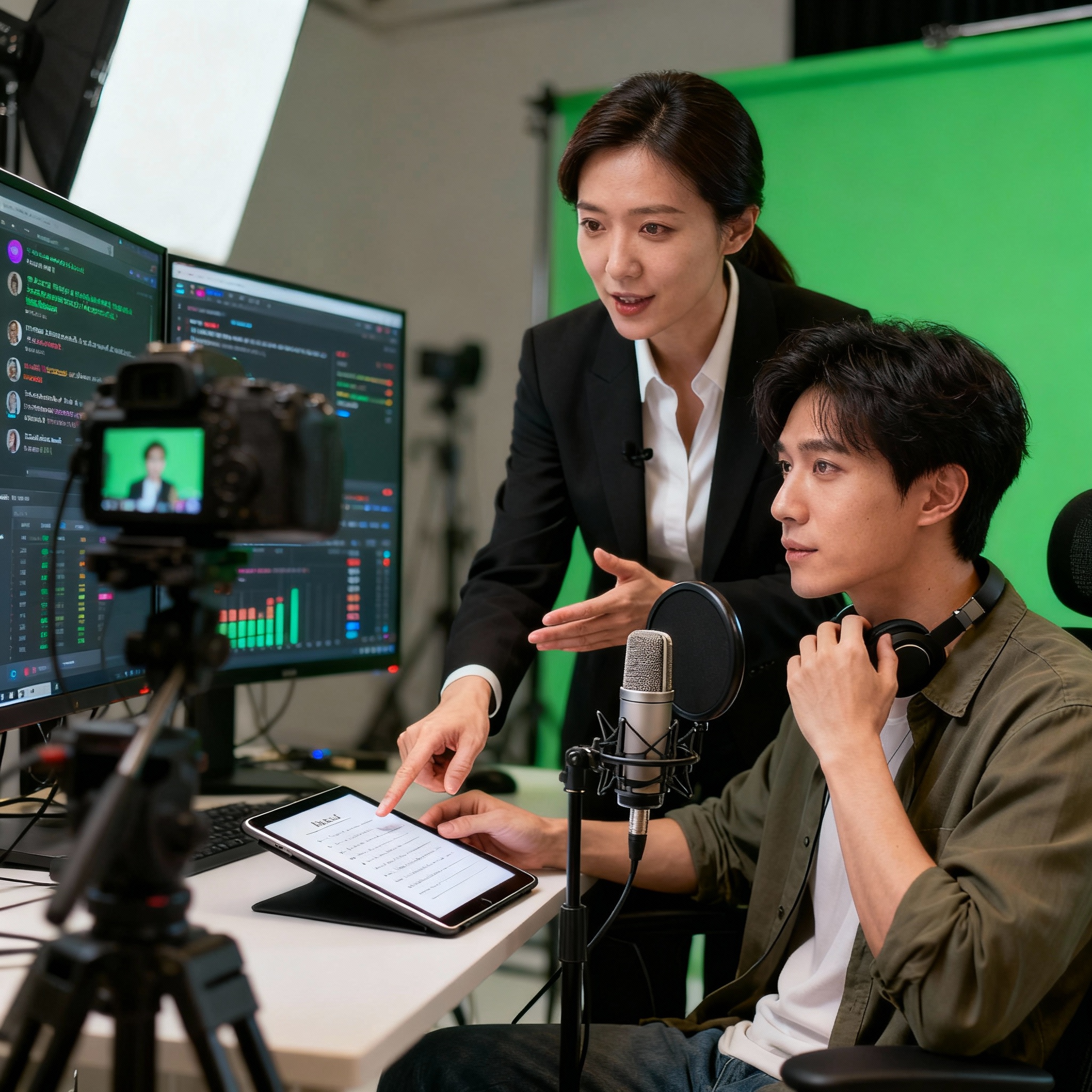
Livestreaming is a complex blend of content creation, technical production, and realtime community engagement. Without dedicated training, a team is highly susceptible to critical failures that damage brand reputation and audience trust.
- Ensuring Technical Excellence and Reliability
- Mitigating Risk (Security, Legal, and Brand)
- Driving Real-Time Engagement and Content Quality
In summary, livestream training elevates the entire operation from a risky, ad-hoc broadcast to a reliable, engaging, and professional content channel. It protects your brand, reduces costly technical errors, and maximizes audience connection.